Source Thermo Forming White Hips Sheet for Packaging
Find 30 thermo forming white hips sheet options for food packaging, home appliances, and vacuum forming. Compare tensile strength, water absorption, and customization features from Chinese manufacturers to select the right rigid plastic sheet for your production needs; compare the available evidence and request quotations based on your requirements.
Key considerations
Products List




Comprehensive Sourcing Guide
Thermo Forming White Hips Sheet Sourcing Guide
Procuring thermoforming-grade white HIPS sheets requires distinguishing between rigid single-layer variants and complex multi-layer structures containing functional barriers. The observed market data indicates a clear split between standard opaque white sheets and specialized laminates featuring EVOH layers for food-grade applications. Buyers must first clarify whether their production line demands simple vacuum forming for appliance cabinets or high-barrier packaging for perishable goods, as the material composition dictates the entire sourcing strategy.
Verification of the specific product model is critical before initiating any purchase order, as listings vary significantly between generic PS sheets and specialized models like TL-PS-001 or HIPS 250424. The supply chain offers both standardized thicknesses ranging from 0.18mm to 1.0mm and fully customized dimensions, yet the physical properties such as tensile strength and contraction rates differ markedly between these categories. Sourcing teams should align their technical requirements with the exact model specifications provided by the supplier to avoid compatibility issues during the thermoforming process.
Product Scope and Observed Listing Signals
The available product range spans from basic rigid white plastic sheets to advanced functional layers designed for specific industrial uses like refrigerator cabinets and thermoformed boxes. Listings frequently highlight the material as either a standard HIPS sheet or a specialized PS variant with a functional EVOH layer, indicating that the core keyword often masks distinct product families with different performance profiles. Buyers must carefully review the "Kind" attribute to confirm if the sheet is a simple hard plastic or a multi-layer composite, as this distinction directly impacts the suitability for food contact applications.
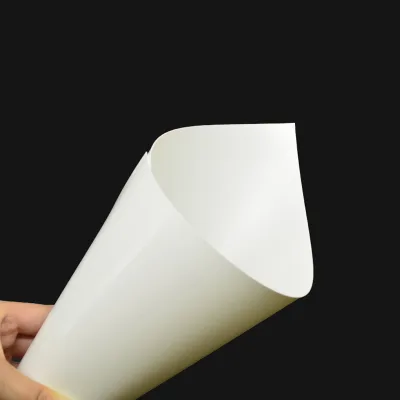
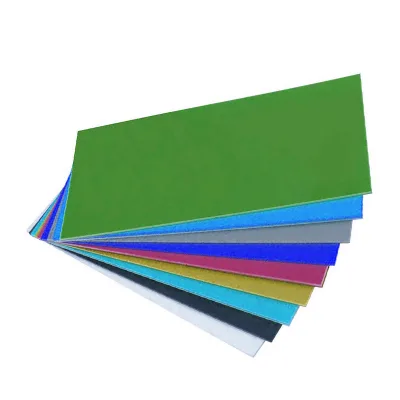
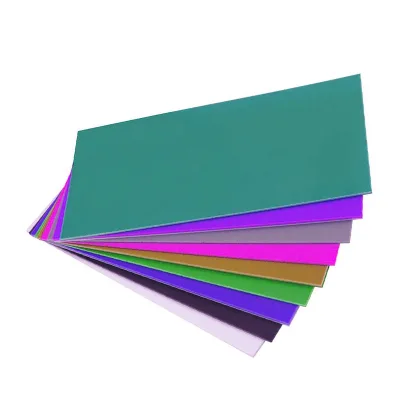
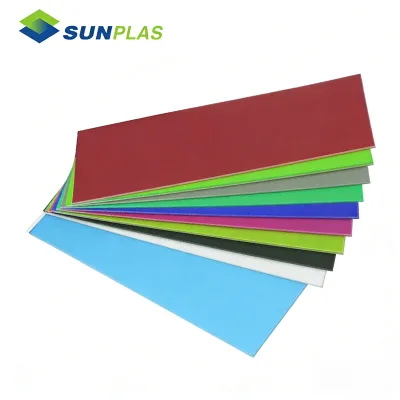
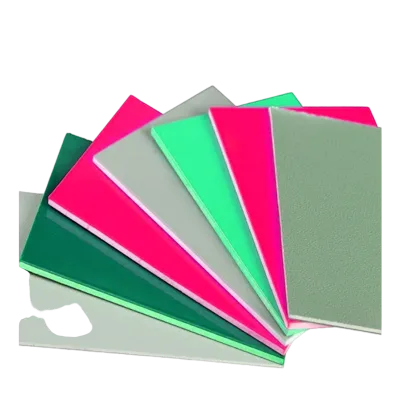
Surface finish and color options provide additional signals for product differentiation, with suppliers offering smooth, high-gloss, or embossed textures in white, black, or custom colors. While some listings specify a rigid hardness and opaque transparency, others describe a functional layered structure that may alter the visual and mechanical properties of the final product. Procurement specialists should scrutinize the "Application" fields to ensure the listed sheet matches the intended end-use, whether it is for home appliance manufacturing or general packaging, as the wrong selection can lead to processing failures.
Technical Specifications to Verify
Tensile strength and contraction percentage are the primary mechanical metrics that vary across the observed listings, ranging from 3.46MPa to over 80MPa depending on the specific formulation. A standard white HIPS sheet might exhibit a contraction percentage between 2.0% and 5.0%, whereas specialized variants could demonstrate tighter control with values as low as 0.4%. Buyers must request specific test data for their target model to ensure the material will not warp or crack during the high-temperature thermoforming cycle, as these properties are not uniform across all suppliers.
Water absorption and density figures further define the material's stability and suitability for humid environments or heavy-load applications. Observed data shows water absorption rates fluctuating between less than 0.01% and 0.4%, while density measurements for rigid sheets can reach 1.37g/cm³. These physical constants are essential for calculating the final weight of the product and predicting dimensional stability after forming. Procurement teams should verify that the supplier provides batch-specific test results for these parameters rather than relying on generic catalog values.
Compliance and Safety Documentation
Food-grade applications necessitate rigorous verification of safety certifications, as the supply chain includes products explicitly marked for industrial food use alongside general-purpose sheets. The observed listings reference ISO9001, ISO14001, and SGS certifications, which serve as indicators of a supplier's quality management systems and environmental compliance. However, buyers must confirm that the specific product batch carries the necessary food-contact approvals, as the presence of a general ISO certificate does not automatically validate the material for direct food packaging without specific testing.
Regulatory compliance extends beyond general quality standards to include specific chemical safety requirements for materials intended for consumer goods. While some background data mentions ROHS and REACH, the primary focus for thermoforming sheets should be on the supplier's ability to provide SGS reports or equivalent third-party validation for the specific EVOH or PS layers used. Procurement professionals should demand current certification documents that match the exact product model and thickness to ensure the final packaged goods meet all regional safety regulations.
Cost Drivers and Commercial Terms
Pricing in this market is highly variable, with observed ranges spanning from 0.45 to 2500 USD, driven largely by the complexity of the sheet structure and the volume of the order. The minimum order quantity (MOQ) presents a significant commercial constraint, with listings showing thresholds ranging from 1 unit to 2000kg, and specific food-grade variants often requiring a 1000kg minimum. Buyers must calculate the total landed cost by factoring in these MOQs, as ordering below the threshold may result in prohibitive per-unit costs or the inability to secure the product entirely.
Packaging and transportation methods also influence the final commercial terms, with options ranging from simple sea transportation to complex configurations involving paper cartons, PE bags, and pallets. The choice of packaging affects the protection of the sheets during transit and the efficiency of loading, particularly for rigid sheets that are prone to scratching or bending. Procurement teams should negotiate packaging specifications that minimize damage risk while optimizing container utilization, ensuring that the cost of logistics does not erode the savings achieved through competitive material pricing.
Supplier Qualification and Quality Control
Supplier qualification should prioritize manufacturers with documented origins in major production hubs like Shandong or China, where the infrastructure supports large-scale thermoforming sheet production. The presence of multiple certifications and a history of supplying to the food and home appliance industries suggests a mature quality control infrastructure capable of maintaining consistent material properties. Buyers should verify the supplier's capacity to handle customized sizes and surface finishes, as these value-added services often indicate a higher level of technical capability and process control.
Quality control protocols must be explicitly defined in the purchase agreement, covering the verification of tensile strength, hardness, and surface texture before shipment. Since the observed data shows significant variation in properties like contraction percentage and water absorption, suppliers must provide pre-shipment inspection reports that confirm the batch meets the agreed-upon specifications. Establishing a clear protocol for handling non-conforming goods is essential, ensuring that any deviation in the rigid hardness or functional layer integrity is addressed immediately to prevent production line stoppages.
Long-Term Procurement Checks
Sustaining a reliable supply chain for thermoforming sheets requires regular audits of the supplier's ability to maintain consistent material specifications over time. Buyers should implement a schedule for periodic re-testing of key attributes such as tensile strength and water absorption to detect any drift in material quality that could affect the final product performance. This proactive approach helps identify potential issues before they result in defective batches, ensuring that the long-term procurement relationship remains stable and cost-effective.
Continuous monitoring of market trends and supplier capabilities is also vital for adapting to evolving industry standards and customer requirements. As the demand for specialized functional layers like EVOH grows, suppliers may need to upgrade their production lines or source new raw materials to meet these needs. Procurement teams should maintain open communication channels with suppliers to stay informed about potential changes in material availability, pricing structures, or regulatory requirements that could impact the long-term viability of the current sourcing strategy.
FAQs
What is the tensile strength of thermo forming white HIPS sheet?
The tensile strength varies by grade, typically ranging from 3.46MPa to 80MPa. Specific models like HIPS 250424 exhibit strengths between 51 and 80MPa, while other rigid variants may show 30 to 40MPa. Buyers should verify the exact specification for their application to ensure adequate durability and performance under stress.
Can I customize the color of the white HIPS sheet?
Yes, customization is available for thermo forming white HIPS sheets. While white is a standard option, suppliers also offer black, grey, beige, and other customized colors. This flexibility allows manufacturers to match specific branding or aesthetic requirements for their final thermoformed products without compromising material integrity.
What certifications are required for food-grade HIPS sheets?
Food-grade HIPS sheets typically require ISO9001, ISO14001, and SGS certifications. These standards ensure the material meets safety and quality requirements for industrial food use. Buyers should request valid certificates from suppliers to confirm compliance, as some products may also carry O9001/SGS documentation for specific manufacturing processes.
What is the minimum order quantity for HIPS thermoforming sheets?
The minimum order quantity (MOQ) generally ranges from 1 to 2000 units, with specific listings showing an MOQ of 1000kgs. This varies by supplier and product model. Buyers should confirm the exact MOQ during negotiation, as bulk orders often benefit from more favorable pricing and shipping terms.
How is the HIPS sheet packaged for sea transportation?
HIPS sheets are commonly packaged using paper carton, PE film, and pallets for sea transportation. Some suppliers use PE bags with kraft paper and pallets, while others opt for flat bag packaging. Proper packaging ensures the sheets remain protected from moisture and damage during long-distance logistics and handling.
What is the water absorption rate of rigid HIPS sheets?
The water absorption rate is very low, typically less than 0.01% for specific white plastic sheets. Other rigid variants may show rates between 0.1% and 0.4%. This low absorption ensures dimensional stability and prevents degradation, making the material suitable for applications requiring resistance to moisture and humidity.